Quick answer: You don’t need playing experience to become a volunteer youth American football coach. Start with simple fundamentals, plan every practice before you arrive, keep all players active and involved, and complete your league’s coach education and safeguarding training. A clear 60-minute practice plan (warm-up, passing and catching, flag pulling, a small-sided game and a cool-down) is enough to run a great first session.
You don’t need to be a former NFL player to make a difference in youth American football. Most of the time, all it takes is a willingness to help, a positive attitude and a good training plan.
Across the United States, organisations are investing more in support for youth football coaches. From the NFL’s plans to expand flag football education to local coaching clinics, the message is clear: developing great young players starts with supporting the people who coach them.
Why do volunteer football coaches matter?
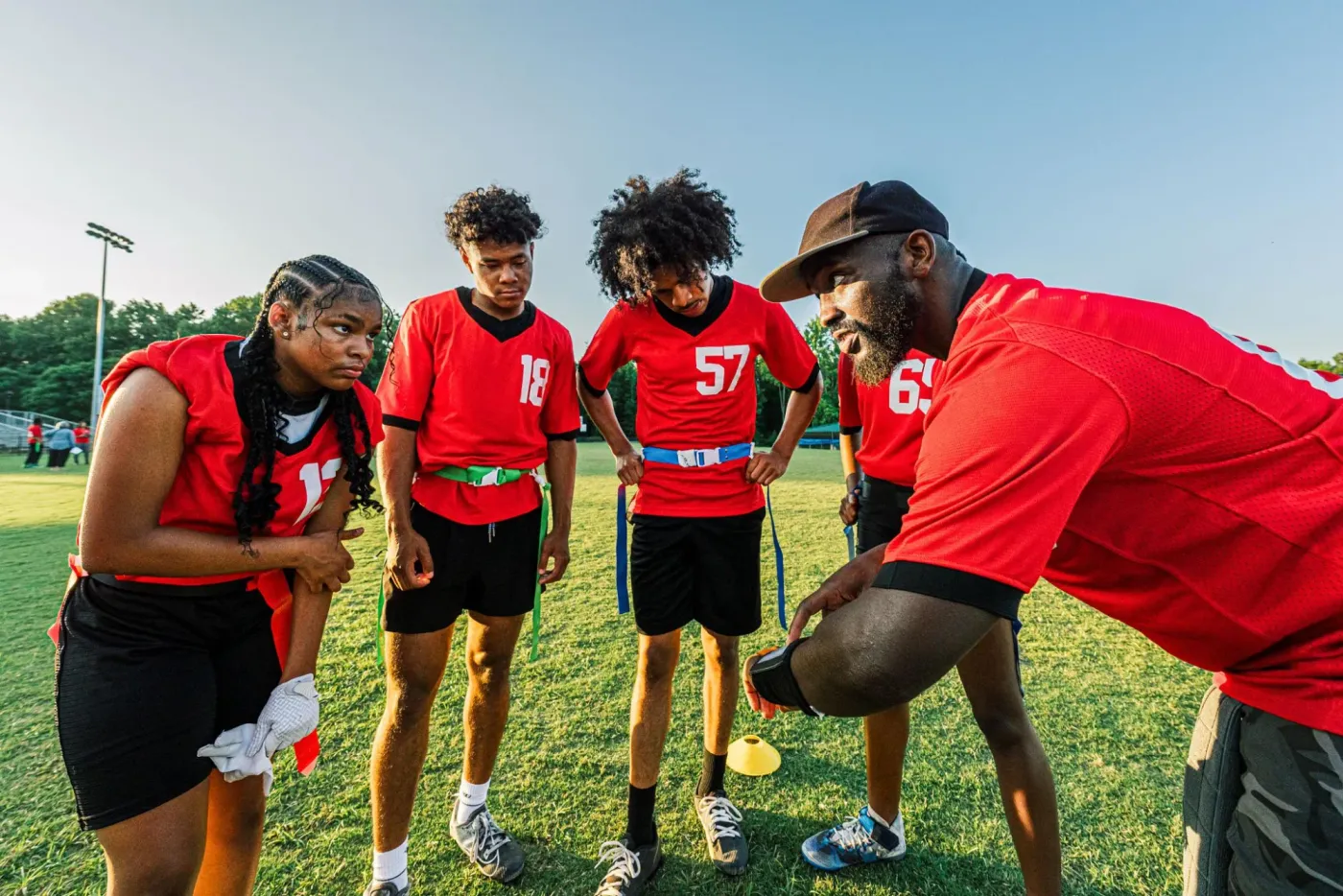
For many children, their first football coach is a parent, teacher or community volunteer, not a professional.
These coaches do far more than teach passing, catching and defending. They help young players build confidence, teamwork, resilience and a lifelong love of being active. A positive first coach is often the reason a child keeps playing sport at all.
But getting started isn’t always easy. New coaches usually ask the same questions:
- What should I teach at the first training session?
- Which drills suit different ages?
- How do I keep every player involved?
- How do I plan a full practice?
- How can I help beginners without overwhelming them?
Better coaching education and practical, ready-to-use resources answer exactly these questions.
Why is flag football coaching getting more attention?
Flag football makes its Olympic debut at the Los Angeles 2028 Games, and the sport is growing fast in schools and community leagues. As participation grows, coaching education has to grow with it.
In October 2026, Reuters reported that the NFL was developing a new technology platform and curriculum to support flag football athletes, coaches and officials ahead of the sport’s Olympic debut. NFL clubs are investing locally too. The San Francisco 49ers, for example, have supported coach development through practical clinics and training opportunities for physical education teachers.
The shift is important: the people standing on the sideline every week are now being treated as a key part of the sport’s growth.
Five tips for first-time volunteer football coaches
1. Keep your first sessions simple
Start with the fundamentals. For flag football, that means throwing, catching, movement, flag pulling and the basic rules of the game.
For tackle football, use age-appropriate, non-contact fundamentals and follow your league’s approved contact progression and safety requirements.
2. Make training fun
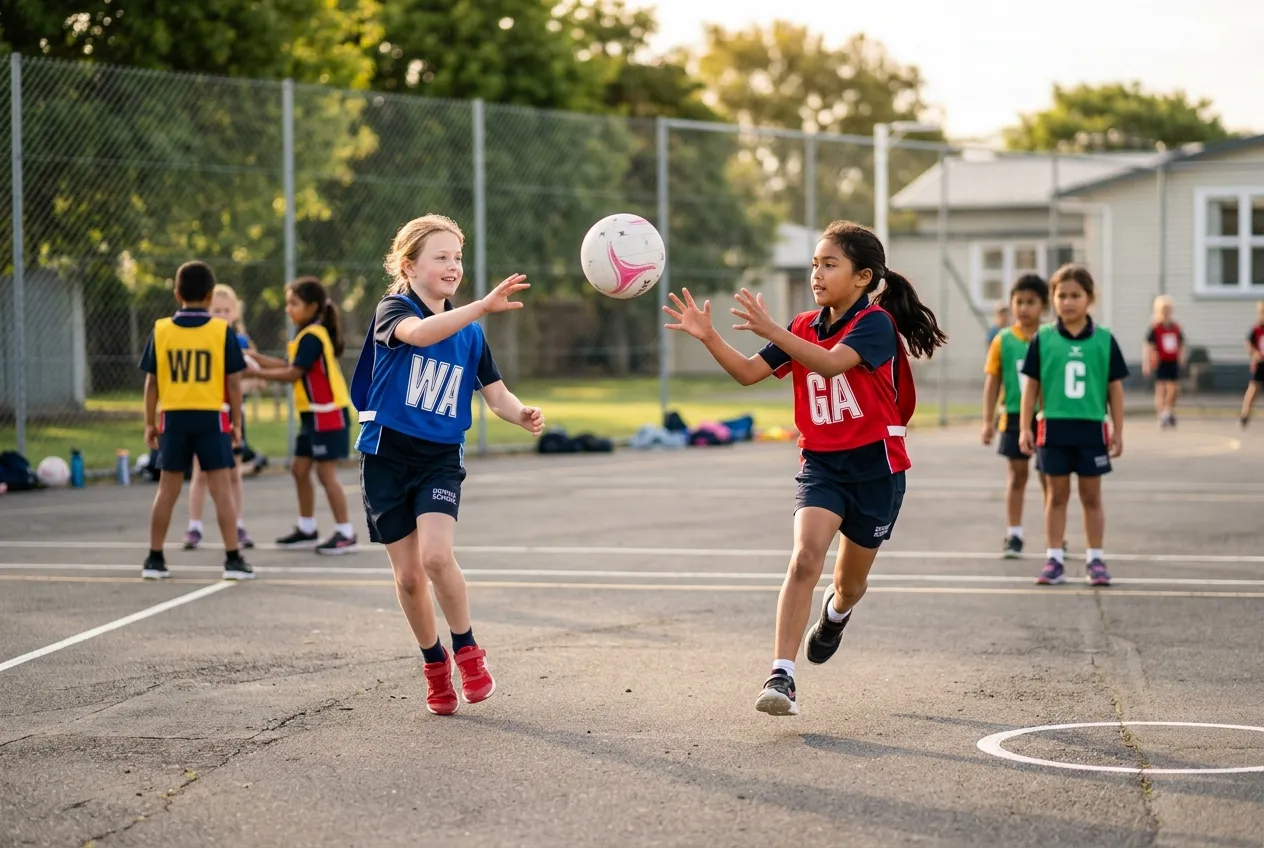
Young players learn through repetition, encouragement and games. Use small groups so everyone gets lots of touches of the ball, and avoid long lines or periods of standing around.
3. Plan before you arrive
A simple practice plan makes a huge difference to you and your players. You’ll feel more confident, and the session will flow without long pauses while you work out what’s next.
4. Coach every player
Not every child arrives with the same confidence or experience. Adapt drills to different abilities, rotate positions, and give everyone a chance to throw, catch and carry the ball. Fair, visible involvement keeps kids coming back and keeps parents on side.
5. Keep learning
Coaching is a skill that develops over time. Take up recognised coach education, safeguarding training and the resources your school or league provides. Every season, you’ll get better.
What should a first flag football practice look like?
Here’s a simple 60-minute plan for an introductory youth flag football practice:
- Fun movement warm-up (10 minutes): tag games, shuffles and quick changes of direction.
- Passing and catching (15 minutes): partner throws, then short routes in small groups.
- Footwork and flag pulling (15 minutes): evasion games and one-on-one flag-pull challenges.
- Small-sided game (15 minutes): short-field games so every player gets the ball.
- Cool-down and positive feedback (5 minutes): gentle stretching and one thing each player did well.
Keep instructions short, demonstrate rather than explain, and get players moving within the first two minutes.
How Takoro supports volunteer football coaches
At Takoro, we believe every coach deserves practical, easy-to-follow coaching resources, whatever their experience.
- Football Training Hub: age-appropriate flag and tackle drills, structured practice plans and a season programme you can follow week by week.
- Depth chart and playbook app: set up formations, rank players behind each position and draw simple plays.
- Learn the basics: quick guides to American football rules and positions.
- Fair playing time: keep every player involved and every parent informed.
Whether you’re coaching your child’s first flag football team or helping run a school sports programme, a clear plan means less time wondering what to do and more time helping players enjoy the game.
Great coaching shouldn’t depend on years of experience. It should start with the right support.
Explore the American football coaching resources on Takoro
Frequently asked questions
Do I need playing experience to coach youth football?
No. Most youth football coaches are parents, teachers and community volunteers. A positive attitude, a simple practice plan and your league’s coach education are more important than playing experience.
How long should a youth flag football practice be?
For younger players, 45 to 60 minutes works well. Split it into short blocks (warm-up, skills, games and cool-down) so players stay active and focused.
What should I teach at my first flag football practice?
Focus on the fundamentals: throwing, catching, basic movement, flag pulling and the simple rules of the game. Finish with a small-sided game so everyone puts their new skills into practice.
How do I keep every player involved?
Use small groups, rotate positions, and make sure every player gets turns at throwing, catching and running with the ball. Tracking playing time helps you keep it fair across the season.
Is flag football in the Olympics?
Yes. Flag football will make its Olympic debut at the Los Angeles 2028 Games, which is one reason coaching education for the sport is expanding.